
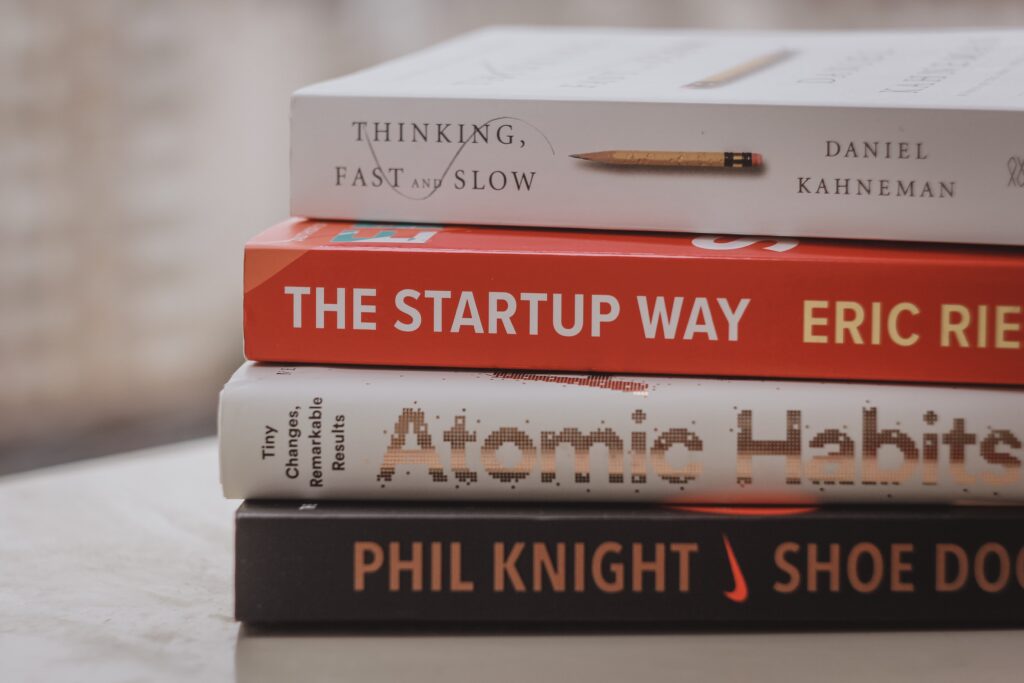
Starting a business can be one of the most exciting and fulfilling experiences for an entrepreneur. The process of building something from scratch, creating a product or service that solves a problem or fills a gap in the market, and watching it grow and succeed is truly exhilarating. However, the journey of starting a business can also be a challenging and daunting one, filled with setbacks, uncertainties, and risks. In this blog post, we will discuss the different stages of the startup journey and what to expect at each stage.
- The Idea Stage
The idea stage is where most entrepreneurs start. You have an idea for a product or service that you believe will solve a problem or fill a gap in the market. This is the stage where you need to validate your idea and make sure that it has potential. The first step is to conduct market research to determine the demand for your product or service. You need to understand your target market, their needs, and their pain points. You also need to assess the competition to see if there are already similar products or services in the market, and if there is room for your idea.Once you have validated your idea, it’s time to develop a business plan. A business plan is a written document that outlines your business idea, goals, strategies, and financial projections. A well-written business plan is essential for securing funding and investors, and it helps you stay focused on your goals and objectives.During the idea stage, it’s important to keep an open mind and be prepared to make changes to your idea as you learn more about the market and your customers. Don’t be too attached to your original idea, and be willing to pivot if necessary.
- The Planning Stage
The planning stage is where you start to put your idea into action. This includes developing a detailed business plan, creating a financial plan, and setting goals and objectives. The business plan should include a mission statement, a description of your product or service, a market analysis, a marketing and sales plan, and a financial plan. The financial plan should include projected revenue, expenses, cash flow, and a break-even analysis.During the planning stage, it’s important to be realistic about your timeline and budget. Don’t rush the planning process, as it can save you time and money in the long run. Take the time to research your market and competition, and test your product or service with potential customers. - The Launch Stage
The launch stage is where you take your idea from the planning stage and turn it into a reality. This includes setting up your business structure, developing your product or service, and launching your marketing and sales strategy. This is the stage where you start to see your hard work pay off, as you start to generate revenue and attract customers.During the launch stage, be prepared for unexpected setbacks and challenges. Launching a business is never easy, and there will be hurdles that you will need to overcome. Don’t be afraid to ask for help from mentors or fellow entrepreneurs. Joining a startup community or accelerator program can be extremely helpful during this stage, as you can receive guidance and support from experienced entrepreneurs. - The Growth Stage
After your business has launched, it’s time to focus on growth. This includes expanding your customer base, increasing revenue, and improving your operations. This is the stage where you start to see your business grow and become more successful.During the growth stage, it’s important to be adaptable and willing to make changes as your business evolves. Be prepared to pivot your marketing and sales strategy if necessary, and invest in your employees and infrastructure to support your growth. Don’t be afraid to take risks and experiment with new ideas, as this can lead to new opportunities and growth. - The Scaling Stage
Once your business has reached a certain level of success, it’s time to start scaling. This includes expanding into new markets, launching new products/services, and hiring new employees. Be prepared to face new challenges during this stage, such as managing cash flow and maintaining your company culture.
In conclusion, starting a startup is an exciting and rewarding journey, but it’s also challenging and full of uncertainties. By following these tips and staying focused on your goals, customers, and team, you can increase your chances of success and turn your startup dreams into reality.